Rescue the River of Grass
A healthier Everglades,
a stronger Florida.
Seize this moment to buy the land.
A rare opportunity to rescue the Everglades — Sign now to join the movement
By signing this petition, we are urging policymakers to prioritize land acquisition in the Everglades Agricultural Area (EAA) to ensure a sustainable future for Florida’s economy, environment and public health. Acquiring at least 100,000 acres of land in the EAA would:
01
Restore clean water flow into the Everglades and Florida Bay
02
Prevent harmful discharges to the northern estuaries
03
Deliver economic benefits that far exceed the cost
04
Protect critical habitats and ecosystems
The petition
We, the undersigned — representing a broad spectrum of voices, including business leaders, environmental advocates and concerned citizens — join forces to ask the state of Florida to acquire and restore land in the Everglades Agricultural Area (EAA) to ensure a sustainable future for Florida’s economy, environment and public health.
The Everglades, once a River of Grass linking clean freshwater from Orlando to Florida Bay, has been severed by industrial sugarcane fields and development. Due to lack of adequate water storage and treatment south of Lake Okeechobee, polluted water is discharged east and west, fueling toxic algae blooms in the northern estuaries that devastate ecosystems, endangering public health and threatening local economies. Meanwhile, Everglades National Park and Florida Bay are deprived of adequate clean freshwater.
Harmful algal blooms, including red tide, have cost Florida billions in lost tourism revenue and property value losses. Local business losses and cleanup from fish kills create millions of dollars in additional economic damages. This pollution of our waterways destroys habitats, reduces biodiversity and threatens the stability of the Everglades — diminishing the ecosystem’s ability to provide critical services like flood protection, wildlife habitat and clean water for millions of Floridians. The toxic algal blooms that can result from these harmful Lake Okeechobee releases pose long-term risks to vulnerable populations — harming respiratory health, irritating skin, and contaminating drinking water.
The science is clear. Land acquisition is the key. Securing at least 100,000 acres for water storage and treatment in the EAA would prevent harmful discharges, restore clean-water flow to the southern Everglades and Florida Bay, and protect South Florida’s drinking water.
The time to act is now. The money is available. Without immediate action, we risk losing momentum — and the Everglades itself. We urge the state of Florida to prioritize land acquisition in the EAA and secure the necessary funding for water storage in order to protect Florida’s economy, environment, and public health before it’s too late.
Signed,
Rescue the River of Grass
A healthier Everglades, a stronger Florida. Rescue the River of Grass.
Watch on YouTube ↗Voices for the Everglades
Lake 2 Ocean Paddle Race spotlights the path of toxic Lake Okeechobee discharges
Watch on YouTube ↗Terrence "Rock" Salt: "We cannot wait, hoping the land will be available in a few years."
Watch on YouTube ↗Golden retriever sickened by toxic algae in 2018 continues her fight to survive
Watch on YouTube ↗Indian Riverkeeper: "This very special spot in the universe has no duplicate."
Watch on YouTube ↗Dr. Thomas Van Lent: "What we do with the EAA will determine the future of South Florida."
Watch on YouTube ↗3 reasons why it's time to Rescue the River of Grass
Watch on YouTube ↗A healthier Everglades, a stronger Florida. Rescue the River of Grass.
Watch on YouTube ↗Dr. Jennifer Rehage: "Florida Bay is chronically starved of fresh water."
Watch on YouTube ↗The Everglades Story
with Michael Williams
Watch the official trailer, then explore the complete series.
The Everglades Story — official trailer
Watch on YouTube ↗Why is now the time to buy the land?
Three reasons:
• The money is available. Voter-approved Amendment 1 funds will generate $1.3 billion-$1.6 billion annually through 2034 for public land acquisition. Buying land in the EAA is the best bang for Floridians’ bucks.
• Big Sugar is actively pushing projects that hinder the future of Everglades restoration. The 8,000+ acre Southland rock mine — proposed by U.S. Sugar, Florida Crystals and Phillips & Jordan — would impact a key area of the Everglades Agricultural Area that could otherwise be used for nature-based restoration. This would be exploitation, not restoration.
• Extreme climate events present an increasingly urgent need for more large-scale water storage to safeguard South Florida, and the EAA is the most logical place for it.
How does this build on Everglades restoration already underway?
Rescue the River of Grass is not about deviating from existing plans. It’s about finishing the job. The Comprehensive Everglades Restoration Plan (CERP) was approved by Congress in 2000 but stops short of providing enough water storage and treatment south of Lake Okeechobee. Twenty-five years later:
• Lake O discharges continue, damaging the northern estuaries and feeding harmful algal blooms
• Southern Everglades and Florida Bay still don’t receive enough clean freshwater
• Florida is not on track to meet water-quality standards for the Everglades (specifically phosphorus)
As work nears completion on CERP, it’s critical to maintain momentum to fully restore the Everglades. Science shows ~1 million acre-feet of water storage is still needed, in addition to the EAA Reservoir project (which will provide 240,000 acre-feet). Acquiring at least 100,000 acres of land in the EAA will provide this storage and corresponding water-treatment capacity.
Not a new idea — an overdue idea.
For decades, scientists have recognized that more public land south of Lake Okeechobee is the key to successful Everglades restoration.
2005 – Everglades Coalition recommended “Comprehensive Everglades Restoration Plan for EAA storage should be expanded to at least 150,000 acres.”
2008 – Everglades Coalition recommended the state of Florida “Guarantee a reliable water supply for the Everglades during drought and significantly reduce damaging releases through the estuaries by providing a minimum of 1 million to 1.5 million acre feet of storage” in the EAA.
2016 – Everglades Coalition resolution supported “immediate efforts by state and federal leaders to acquire lands and develop projects in the EAA necessary for providing the storage, treatment, and conveyance of water to stop the harmful high discharges to the northern estuaries from Lake Okeechobee and send clean water south to Everglades National Park and Florida Bay.”
Everglades water flow
Historic

Altered

Restored

Get Involved Today!
Resources
Health Threats and Nature’s Cure
A lack of water storage and treatment south of Lake Okeechobee causes polluted lake discharges to the Atlantic and Gulf coasts, fueling harmful algal blooms that threaten the health of people, pets and wildlife. Toxins from blue-green algae and red tide have been linked to respiratory, neurological and gastrointestinal illnesses, as well as neurodegenerative diseases in humans. Pets, particularly dogs, face life-threatening risks from ingesting toxic water, while aquatic life including dolphins, manatees and sea turtles suffer illness and death from toxin exposure and habitat degradation.
Learn more (PDF) ↗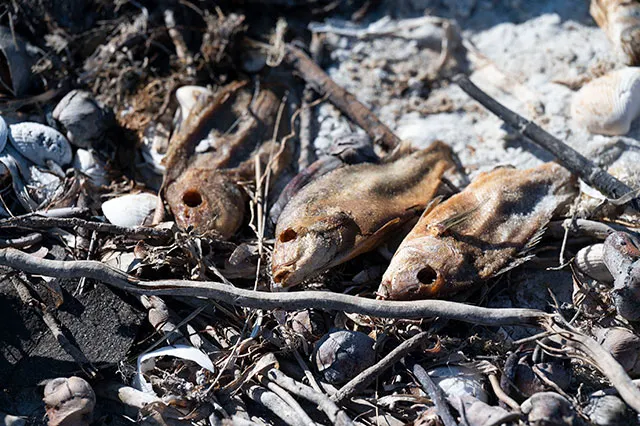
Dollars and Sense of Restoration
Mismanagement of water in the EAA to benefit a few ultra-wealthy sugar corporations has caused immense economic harm to Florida. Harmful algal blooms and polluted discharges have devastated tourism, real estate, and local businesses, costing billions in lost revenue and cleanup expenses. While sugarcane farming generates $800 million annually, water-dependent industries bring in over $13 billion and employ more than 120,000 people in Southwest Florida alone. Everglades restoration — which is widely supported by Floridians — offers a significant economic return, generating billions in revenue, creating jobs, and reducing taxpayer burdens tied to cleanup costs.
Learn more (PDF) ↗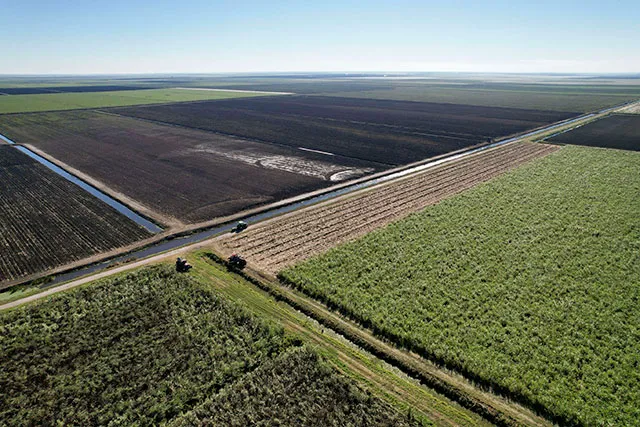
Ecological Benefits for Florida’s Future
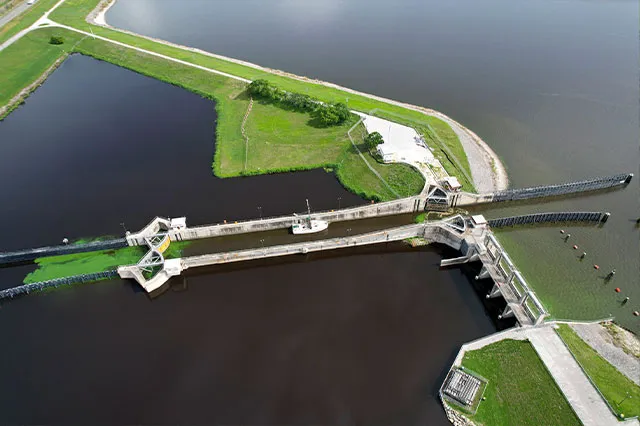
More land for water storage and treatment south of Lake Okeechobee would allow water managers to responsibly lower lake levels and restore submerged aquatic vegetation in the lake without shifting harm to the northern estuaries. Polluted lake water can be stored, cleaned and sent south — instead of to the Atlantic and Gulf coasts — dramatically improving ecology in the northern estuaries and revitalizing ecosystems in the southern Everglades and Florida Bay.
Learn more (PDF) ↗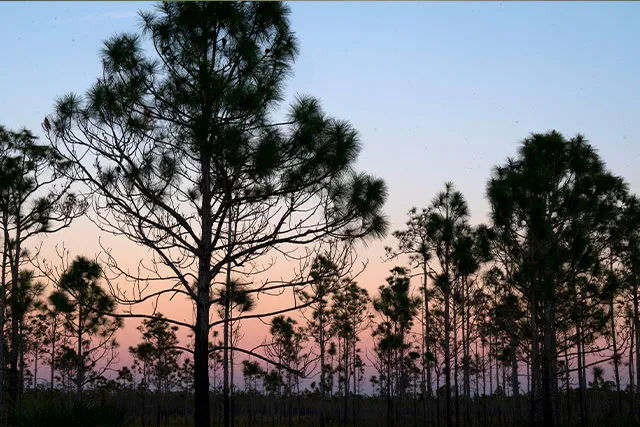
A Solution Within Reach
Everglades restoration is stalled due to a lack of state-owned land south of Lake Okeechobee, where industrial sugarcane farming in the Everglades Agricultural Area (EAA) restricts the natural flow of water. Polluted water from Lake Okeechobee and the EAA fails to meet legal phosphorus limits, threatening the ecosystem. Scientific research shows that acquiring an additional 102,600 acres in the EAA for water storage and treatment would restore clean flow, reduce harmful discharges, and protect South Florida’s water supply. This presents a rare opportunity to complete restoration and safeguard Florida’s future.
Learn more (PDF) ↗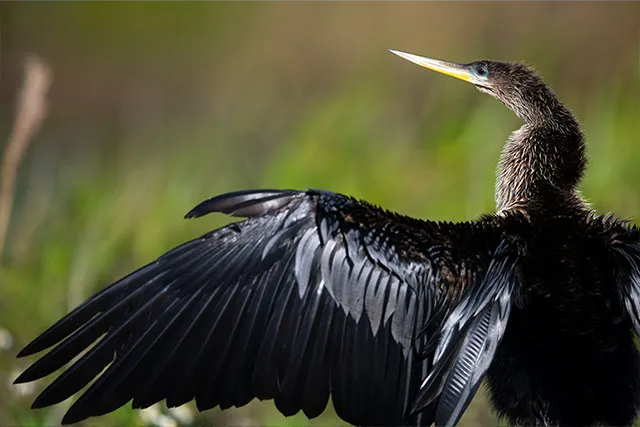
Summarizing the Case for Restoration
Everglades restoration depends on expanding water storage and treatment in the Everglades Agricultural Area to prevent harmful discharges and restore clean flow south. Research shows that acquiring at least 100,000 acres for reservoirs and stormwater treatment is the most cost-effective solution. Beyond ecological benefits, restoration supports Florida’s $419 billion water-dependent economy and revives ecosystems across the Everglades, from Lake Okeechobee to Florida Bay, improving water quality, protecting wildlife, and ensuring a sustainable future for people and nature alike.
Learn more (PDF) ↗Latest News
“Alligator Alcatraz” left Florida less prepared for the next storm
Two new issues related to the shuttered-but-still-causing-problems Everglades detention center in the past week: First, on the human rights front, a report from the Department of Homeland Security's internal watchdog that detainees were held in […]
Read more ↗‘Rescue’ us from this Super El Niño
The late Saturday Night Live comedian Chris Farley once dressed up as “El Niño,” copping a professional wrestler vibe and daring tropical weather systems to take him on in a no-holds-barred cage match. “El Niño […]
Read more ↗The algae bloom we should be talking about
You likely haven’t heard much about blue-green algae on Lake Okeechobee this summer for one reason: It remained on Lake Okeechobee. The lake level dropped below 11 feet this summer (though it’s starting to rise […]
Read more ↗Donate today
Establish your legacy — Help us Rescue the River of Grass!
We invite you to join us in this critical effort. Together, we can acquire the land needed to restore the Everglades, protect Florida’s environment, and create a sustainable future for our communities. Every donation brings us one step closer to making this vision a reality.
Donations are received by Friends of the Everglades, a 501(c)(3) nonprofit.